Thursday, November 28, 2019

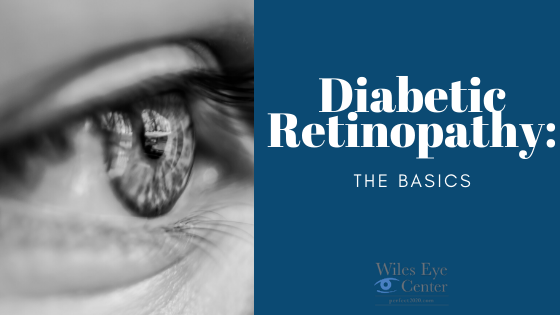
The Basics of Diabetic Retinopathy


With the amount of obesity and diabetic people at an all-time high, it is important to discuss something most people are completely unaware of, and that is vision loss as a result of diabetes. One of the most common eye diseases caused by diabetes is Diabetic Retinopathy. Diabetic Retinopathy is the leading cause of vision loss among working-age Americans. 

With diabetes comes abnormally high blood glucose levels. These high levels of sugar within the blood can cause damage to the blood vessels within the retina of the eye, a tissue within the eye responsible for sensing light, sending nerve impulses to the brain, and forming a visual image of what you’re actually seeing. The damage of these vessels can cause them to swell, leak, or even cause new blood vessels to grow, causing impaired vision. This vision loss can occur in two different stages. 

The first stage of Diabetic Retinopathy is called Non-Proliferative Diabetic Retinopathy (NPDR). Of the estimated 285 million people suffering from diabetic retinopathy, most of them are in the earliest or non-proliferative stage of the disease. Within this stage, blood vessels may have small leaks or even close. This leakage or closing can cause swelling within the eye, affecting vision. Those who are in the first stage of Diabetic Retinopathy suffer from blurry vision. 

The second stage of Diabetic Retinopathy is called Proliferative Diabetic Retinopathy (PDR). In this stage of Diabetic Retinopathy, new blood vessels grow within the eye at an abnormal rate. These vessels can leak or build up over time to cause scar tissue. This leaking can cause “floaters” in the vision, or even block central and peripheral vision altogether. Scar tissue can cause the retina to detach itself from the optic nerve, or it can cause damage to the macula of the eye. Either way, Diabetic Retinopathy is a serious condition, but there are ways to prevent it. 

The most obvious way to prevent Diabetic Retinopathy is by avoiding Diabetes. Although type 2 diabetes is hereditary, you can avoid type 1 diabetes by regular exercise and a healthy diet. Avoiding Diabetic Retinopathy with type 2 Diabetes can be more difficult, but can be avoided by controlling blood sugar levels. Controlling blood sugar levels can be done through medications and a healthy diet. It is important to discuss ways to control and manage blood sugar levels with your doctor. It is also vital for those who have diabetes to receive regular comprehensive eye exams. Similarly to most eye diseases, early detection is key in preserving vision. Annual comprehensive eye exams are recommended, but they may be necessary more frequently if you have underlying conditions such as diabetes. Talk to your optometrist or ophthalmologist about how often you should get your eyes checked, especially if you are having any symptoms of Diabetic Retinopathy. These symptoms include blurry vision, seeing “floaters” or floating dark spots, night blindness, vision changes, and seeing faded colors. 

 If you have any questions or would like to schedule an appointment, please call us. Our Kansas City location can be reached by calling 816-455-2020. You can reach our St. Joseph’s location at 816-279-7015.

The post The Basics of Diabetic Retinopathy appeared first on .


from https://perfect2020.com/the-basics-of-diabetic-retinopathy/
via https://perfect2020.com

Wednesday, November 6, 2019

Do you Suffer from Diabetes? Here’s How it can Lead to Vision Loss.


According to the Centers for Disease Control, more than 100 million adults in America are suffering from Diabetes or prediabetes*. This means that nearly 10% of the population suffers from this disease*. Out of these adults suffering from diabetes, 25% of them were unaware that they had diabetes*. Diabetes entails many symptoms, which include frequently urinating, being very hungry or thirsty, extreme fatigue, blurry vision, a slow healing process, abnormal weight loss, and tingling/numbness of the hands and feet*. In addition to many symptoms, diabetes also comes with many complications such as high blood pressure, increased risk of strokes, and nerve damage, but did you know that diabetes affects your vision as well?

Diabetic Eye Disease is a group of diseases that affect the vision of people suffering from Diabetes*. These diseases include Diabetic Retinopathy, Diabetic Macular Edema (DME), Cataracts, and Glaucoma*. Each type of disease comes with its own list of symptoms, risks, and treatment options. One thing all forms of Diabetic Eye Disease has in common is the risk for severe vision loss, and the potential to cause blindness. Because Diabetic Eye Disease is often unnoticed until vision loss occurs, it is recommended for those who suffer from Diabetes to receive a dilated eye exam at least once a year. You should consult your optometrist or ophthalmologist to discuss how often you need an eye exam. The most common form of Diabetic Eye Disease is Diabetic Retinopathy.
Diabetic Retinopathy is the most common cause of vision loss in people with Diabetes, and a leading cause of blindness among working-age adults*. Diabetic Retinopathy is a disease that affects tissues within the Retina that detect light. This is caused by chronically high blood sugar that causes damage to the blood vessels within the eye. Vision impairment can occur through the leaking of these blood vessels or overgrowth of blood vessels. Another common form of Diabetic Eye Disease is Diabetic Macular Edema (DME).

Diabetic Macular Edema (DME) occurs when fluid accumulates within the macula. The macula is responsible for sharp vision straight-ahead vision that is used when reading, recognizing faces, and driving*. DME is the most common cause of vision loss within people who suffer from Diabetic Retinopathy. Nearly 50% of those who suffer from Diabetic Retinopathy will develop DME*. Anyone who suffers from type 1 or type 2 diabetes are at risk for developing Diabetic Retinopathy, including women who suffer from Gestational Diabetes. Gestational Diabetes entails its own risk factors for Diabetic Eye Disease. It is often not caught in its early stages and is rapidly worsening. If you are diagnosed with gestational diabetes, it is always a good idea to have an eye exam, just to be safe.
Both Diabetic Retinopathy and Diabetic Macular Edema can be detected through a comprehensive dilated eye exam. During this exam, the eyes will be checked for signs of Diabetic Retinopathy or DME, such as leaking blood vessels, swelling of the Macula, changes of the lens or blood vessels, and damage to nerve tissue. Treatment for these conditions can include injections and/or laser surgery.

As for diet, there are foods that can help regulate blood sugar levels. These foods include berries, whole grains with a lot of fiber (such as oatmeal), avocado, cottage cheese, eggs, lean meats, and a variety of vegetables. By adding some of these foods to your diet, you can help control blood sugar and decrease the risk of complications that arise with diabetes. Another great way to control blood sugar levels is by choosing complex carbohydrates such as fruits, beans, lentils, and quinoa. Eating healthy snacks rich in fiber during the day can help control hunger and cravings. In addition to choosing healthier carbohydrates, you should offset the number of carbohydrates you’re eating by adding a lot of fresh, non-starchy vegetables, lean protein, and healthy fats. In addition to a healthy diet, daily exercise can help decrease the risk for Diabetic Eye Disease. Daily exercise can help prevent obesity, and reduce the risk of diabetes.

By controlling blood sugar, maintaining a healthy diet, and regular exercise, you will be able to help control your diabetes or prevent diabetes altogether. By controlling and preventing diabetes, you are protecting yourself from Diabetic Eye Disease. If you have any questions or would like to schedule an appointment, please call us. Our Kansas City location can be reached by calling 816-455-2020. You can reach our St. Joseph’s location at 816-279-7015.

*Attributions:
https://nei.nih.gov/health/diabetic/retinopathy
http://www.diabetes.org/diabetes-basics/symptoms/?loc=adm
https://www.cdc.gov/media/releases/2017/p0718-diabetes-report.html

The post Do you Suffer from Diabetes? Here’s How it can Lead to Vision Loss. appeared first on .


from https://perfect2020.com/do-you-suffer-from-diabetes-heres-how-it-can-lead-to-vision-loss/
via https://perfect2020.com

Thursday, October 3, 2019

Do You Think Costumes and Horror Films are the Scariest Things About Halloween? Think Again.


Halloween is a fun time of the year for children and young adults. They enjoy dressing up and going out for candy, but what is the scariest part of Halloween? Well, the answer is possibly going blind due to wearing cosmetic contact lenses. The reality is, not many people are aware of the risk that these “cheap” Halloween contacts entail. Sadly, these lenses are often sold illegally and are marketed to children and young adults as toys or fashion accessories.
Cosmetic contact lenses – otherwise known as circle lenses, colored contact lenses, and Halloween contacts – are not FDA approved. While they may make your eyes look a different color, like a vampire, or your favorite movie character, they should only be worn if you have seen an ophthalmologist/optometrist and have received a prescription. Contacts are not “one size fits all.” People have different eye shapes and unique conditions that may require specific contacts. Even if you have perfect vision, you should never buy contacts without a prescription just because they’re cheap. These costume lenses may cost less money, but they may cost you your eyesight.
A recent study shows that wearing these cosmetic contact lenses increases your risk for Keratitis – an infection that can cause blindness by 16 times or more*. The shocking part is that more than 60% of patients who developed Keratitis from these lenses, suffered permanent vision loss*. Keratitis is not the only risk that comes with cosmetic contact lenses. According to the American Academy of Ophthalmology, these lenses can scratch the eye, causing redness, light sensitivity, discharge, and pain. This scratching occurs due to sizing issues with the contacts. Another way these costume contacts can be harmful is by causing sores on the eyes, known as corneal ulcers*. When these sores heal, scarring can be left behind, which can permanently affect your vision. These cosmetic contact lenses may lead to many different types of infections, including herpes simplex*.
Treatment for these various issues that can arise as a result of wearing costume lenses can range anywhere from medicated eye drops to a corneal transplant*. It is unclear just how many injuries occur each year from wearing these lenses, but a recent study shows that more than 13,500 pediatric cases appear in the Emergency Room each year as a result of cosmetic lenses*. Although there have been no studies conducted to determine the number of injuries these lenses are responsible for, we do know that 17% of Americans have worn these lenses for decorative reasons alone, meaning they did not provide any vision correction. Of these people, 24% of them bought the lenses from an over-the-counter source that did not require a prescription*.
If you are thinking of getting cosmetic contact lenses for any reason, you should first consult your eye care professional. If you have never worn lenses before, they will examine your eyes to determine whether or not you are even a good candidate for contact lenses. Your eyes will then be examined to determine the proper size and fitting lenses that you need. During this exam and follow-up appointments, your ophthalmologist or optometrist will educate you on the proper care for your new lenses, including cleaning them and the duration they can be worn. When seeking cosmetic lenses, do not expect to be prescribed circle lenses, or any other lense that changes the appearance of the shape of your eye because they are not FDA approved*.
According to the Food and Drug Administration, you can protect your vision by receiving an eye exam for contacts before buying contacts. You can also protect your vision by only buying lenses from sources that require a prescription, online and in person. Of course you will want to follow the instructions from your eye care professional on cleaning and handling your lenses. Lastly, it is vital that you seek medical help if you begin to show any warning signs of infection or injury such as redness, long-lasting pain, and vision loss.
If you encounter these costume contact lenses being sold illegally, there are some ways that you can help. If you discover these lenses being sold illegally, you can report the retailer to the FDA. To do this, you may call 1-866-300-4374 or 301-796-8240 to report the retailer as quickly as possible. If you have any questions, or would like to make an appointment, please call us. The number to our Kansas City location is 816-455-2020. Our St. Joseph office location can be reached by calling 816-279-7015.

*Sources: https://www.aao.org/eye-health/glasses-contacts/colored-lenses
https://www.aao.org/eye-health/glasses-contacts/colored-lenses
https://www.fda.gov/forconsumers/consumerupdate/ucm402704.htm
https://www.aao.org/eye-health/news/four-ways-costume-contact-lenses-ruin-vision
http://www.aoa.org/newsroom/dont-buy-contact-lenses-from-any-store-or-website-if-it-doesnt-require-a-prescription?sso=y

The post Do You Think Costumes and Horror Films are the Scariest Things About Halloween? Think Again. appeared first on .


from https://perfect2020.com/do-you-think-costumes-and-horror-films-are-the-scariest-things-about-halloween-think-again/
via https://perfect2020.com

Thursday, August 15, 2019

When it Comes to your Contact Lenses, Healthy Habits Mean Healthy Eyes.

This year, August 19-23 is Contact Lens Health Week. The Centers for Disease Control (CDC) created this health-observance week in hopes to educate the 45 million in the United States that wear contact lenses. By creating healthy habits, you can maintain healthy eyes. Here are just a few ways that you can help protect your eyes and prevent infections while wearing contact lenses.

First, you should never utilize lenses or their storage containers for longer periods of time than recommended. If you have daily lenses, then they should be thrown out at the end of each day. Likewise, if you have monthly lenses, they should be changed out for new ones at the beginning of each month. Additionally, storage containers can build up bacteria on your lenses if they are not properly rotated. If your contact lens storage case doesn’t come with a recommended time to replace it, the American Academy of Ophthalmology recommends replacing the storage containers at least every three months.

Additionally, you should also replace the solution in your contact lens case daily. Each time you take your contacts out of the case to wear them, you should dump out the old solution and let it air dry before re closing the case. At the end of the day, you should fill the case up with fresh solution. You should never mix the old and new solution by “topping it off” at the end of the day when removing your lenses. This can cause bacteria to build up and increase your risk of infection.

Speaking of infection, did you know that wearing your lenses while you sleep can increase your risk of infection by 6-8 times? Even if your lenses are 24-hour wear, you should not be sleeping in them. It is important to give your time eyes to rest and your lenses time to get cleaned. When you fall asleep in your lenses, they can become dry or build up bacteria, which increases your chance of infection.

Other don’ts when it comes to wearing contact lenses include mixing water with your contacts. Never rinse storage containers with water. Additionally, you should never shower or swim with your lenses in your eyes. Mixing water with contact lenses can cause them to swell, change shape, or adhere to the eye. Introducing water to your lenses can also introduce bacteria to them as well.

For those who haven’t gotten contact lenses yet, or are new to wearing contact lenses, here are the steps you should take to properly care for and wear your new lenses:

  1. Wash and rinse hands before handling contact lenses. Make sure they are thoroughly dried with a lint-free towel before handling your lenses as well.
  2. Take the lenses out of their storage container using your fingertips. You should never handle lenses with any other objects such as tweezers.
  3. Place the lens in your eye properly. Make sure they’re not inside out before placing them on your eye. You should take them out and place them one at a time.
  4. After the contacts are placed in your eyes, dump out the solution remaining inside of the storage container.
  5. Place the container and lids right-side-up to allow them to air dry
  6. Once you’re done wearing your lenses for the day, wash your hands and let them dry thoroughly before removing them.
  7. Remove one lens at a time, and place it into your palm.
  8. Squirt enough fresh solution into your hand to cover the lens.
  9. Gently rub the lens in circular motions to clean the lens.
  10. Place the cleaned lens back into the dry storage container and fill it to the line with fresh solution.
  11. Place the correct cap onto the side with the lens in it.
  12. Follow steps 7-11 for the other lens.
  13. Wash your hands again and place the storage container in a safe spot.

It is important to note that different types of lenses may require additional or different steps for proper care. You should discuss these steps with your doctor.

If you have any questions, or to schedule an appointment, please call us. Our Kansas City location’s phone number is 816-455-2020. Our St. Joseph's office can be reached by calling 816-279-7015.

To read more on Contact Lens Health Week, click here.

The post When it Comes to your Contact Lenses, Healthy Habits Mean Healthy Eyes. appeared first on .


from https://perfect2020.com/when-it-comes-to-your-contact-lenses-healthy-habits-mean-healthy-eyes/
via https://perfect2020.com