Thursday, January 23, 2020

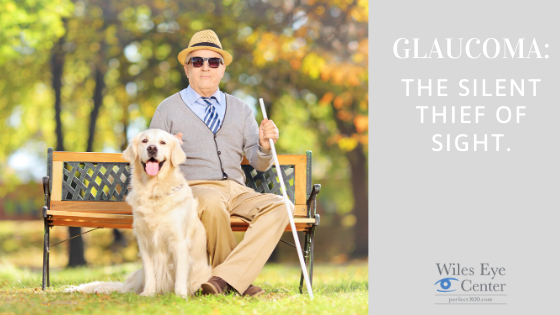
Gluacoma: What You Need to Know About The Silent Thief of Sight.

Glaucoma is a group of diseases that cause damage to the optic nerve within the eye. The optic nerve is a bundle of over 1 million nerve fibers that are responsible for transmitting signals from your eyes to your brain. Did you know that Glaucoma is the leading cause of blindness across the entire planet? More than 60 million people worldwide are affected by this blinding condition. Nearly 3 million people in the United States alone suffer from Glaucoma. What’s even more shocking is that this number is expected to grow as years progress. The most detrimental fact about Glaucoma is that nearly half of those suffering from this condition are unaware that they even have it. 

Most people are unaware that they have Glaucoma because this condition does not come with symptoms in its most common types. There are eight different types of glaucoma: primary Open-Angle Glaucoma, normal-tension Glaucoma, Angle-Closure Glaucoma, Acute Glaucoma, Pigmentary Glaucoma, Exfoliation Syndrome, Trauma-Related Glaucoma, and Childhood Glaucoma. As you could have guessed, there are many different causes for Glaucoma. Causes linked to this disease include genetics, injury, and increased pressure within the eye seems to be a common contributing factor to optic nerve damage. 

In Primary Open-Angle Glaucoma, there are no symptoms. Additionally, this type of Glaucoma affects approximately one percent of Americans. In POAG, the pressure within the eye gradually increases, causing damage to the optic nerve. Once a significant amount of damage occurs to the optic nerve, vision begins to deteriorate. There is not a cure for this type of Glaucoma, but there are many treatment options. These treatment options include oral medication, surgery, and drops. 

In Normal-Tension Glaucoma, the pressure within the eye remains in the normal ranges, but damage still occurs to the optic nerve. It is believed that this damage may occur as a result of poor blood flow through the optic nerve. This type of Glaucoma is still under research. 

In Angle-Closure Glaucoma, the chamber through which the eye naturally drains fluids is abnormally small. As pressure increases, this “angle” through which fluid is drained becomes smaller, hence the name. 

In Acute Glaucoma, pressure rapidly increases within the eye. Symptoms of Acute Glaucoma include pain in the eye, swelling of the cornea, blurred vision, and seeing halos around light. When this occurs, the patient should seek help immediately, as it is an emergency situation. 

Pigmentary Glaucoma is an inherited version of Open-Angle Glaucoma where the pigment within the eye may shed and “clog” the chamber where the fluid is naturally drained from the eye. With this type of glaucoma, it affects people in their twenties and thirties, and commonly affects those who have trouble seeing far distances. Those suffering from nearsightedness have abnormal distortions in the anatomy of their eye, which may play a role in why they’re most commonly affected by this type of Glaucoma. 

Exfoliation Syndrome is similar to Pigmentary Glaucoma in the sense that pigment is disconnected from the eye and clogs the chamber through which fluid is naturally drained from the eye. The difference with Exfoliation Syndrome is that a white-ish material similar to dandruff builds up on the eye, and when it is rubbed, it attaches to the pigment within the eye, causing the pigment to break off as well as the white material. 

Trauma-Related Glaucoma and Childhood Glaucoma both give away information within their names. Obviously, Trauma-Related Glaucoma is caused by an eye injury such as a penetrating injury or chemical burn. This is why it is important to have your eyes checked after an injury occurs. Childhood Glaucoma occurs at birth most commonly. However, Glaucoma can form during the earlier stages of a child’s life and vision is often saved through surgery.

Although each type of Glaucoma is different, there is one thing that is true in each type: early detection is crucial. This is true because once vision loss occurs, it is irreversible. Glaucoma can be detected through comprehensive eye exams. It is recommended to have these exams annually, but it may be necessary to have an exam done more often, especially if you have family members that suffer from glaucoma. Those with a family history of glaucoma have a higher risk of developing the disease themselves. Others who are at a higher risk for developing Glaucoma include everyone over the age of 40, those who have increased pressure within the eye, those who have diabetes, nearsightedness, a previous eye injury, or abnormal blood pressure. Glaucoma most commonly affects those of African, Asian, or Latino Descent, so that could also be a deciding factor in how often comprehensive exams may be necessary. As always, it is best to discuss with your doctor your risks, and how often you should receive an exam.  If you have any questions or would like to make an appointment, please call us. The number to our Kansas City location is 816-455-2020. Our St. Joseph’s office location can be reached by calling 816-279-7015.


Attributions: http://glaucomafoundation.org/

The post Gluacoma: What You Need to Know About The Silent Thief of Sight. appeared first on .


from https://perfect2020.com/gluacoma-what-you-need-to-know-about-the-silent-thief-of-sight/
via https://perfect2020.com

Thursday, January 9, 2020

January is Glaucoma Awareness Month


Glaucoma is the leading cause of blindness across the globe*. Glaucoma alone affects more than 60 million people worldwide, and nearly 3 million people nationwide*. Glaucoma can cause blindness, and vision loss resulting from glaucoma is irreversible. Nearly half of those who suffer from Glaucoma are unaware they even have it*. Due to these unsettling facts, it is very important for us to educate people and bring awareness to this disease. f


What is Glaucoma?

Glaucoma is a group of diseases that cause damage to the optic nerve- a bundle of over 1 million nerve fibers that are responsible for transmitting signals from the retina to the brain. 


How Does Vision Loss Occur from Glaucoma?

Vision loss occurs as a result of damage to the optic nerve. This damage occurs when the eye is unable to drain fluid naturally, which causes abnormally increased pressure within the eye, damaging the optic nerve. 


How is Glaucoma Cured?

There is currently no cure for glaucoma, and vision loss suffered as a result of Glaucoma is permanent. There are, however, multiple treatment options to help those dealing with Glaucoma. 


What Treatment Options are there for those Suffering from Glaucoma? 

Treatment options can vary. Treatment options range from oral medications to laser surgery. Some treatment options for Glaucoma are eye drops, Argon Laser Trabeculoplasty, Selective Laser Trabeculoplasty, Laser Peripheral Iridotomy, Cycloablation, and traditional surgery. Traditional surgery can entail an implant to help the eye drain fluid on its own, or a new opening can be created for fluid to be passed through. 


What are the Symptoms of Glaucoma? 

In its early stages, Glaucoma shows no symptoms. As the condition progresses, however, vision loss or distorted vision can occur. 


What are the Different Types of Glaucoma? 

There are many different types of Glaucoma, including:

  • Open-Angle Glaucoma- this type of Glaucoma affects more than 50% of those with the condition. Open-Angle Glaucoma occurs when fluid is draining too slowly and causes a build-up of pressure within the eye.
  • Normal-Tension Glaucoma- this type of Glaucoma occurs with a normal amount of pressure within the eye, but damage to the optic nerve occurs as in the other forms of Glaucoma. This type of Glaucoma can also be referred to as Low-Tension Glaucoma.
  • Angle-Closure Glaucoma- this form of Glaucoma is hereditary. Angle-Closure Glaucoma occurs when the angle of the chamber through which fluid is drained is smaller than normal, causing fluid to build up within the eye. 
  • Acute Glaucoma- This type of Glaucoma occurs suddenly and can be very painful. Acute Glaucoma is very similar to Open-Angular Glaucoma, except it rapidly occurs over a very short period of time. Those who experience Acute Glaucoma should seek help immediately. 
  • Pigmentary Glaucoma- This type of Glaucoma occurs when pigment becomes detached from the back of the eye. When the pigment is essentially rubbed off from the back of the eye, it can become lodged in the meshwork of the eye, inhibiting the eye from draining fluid normally and can cause a build-up of pressure. 
  • Exfoliative Glaucoma- This type of glaucoma can occur in some patients with a condition called Exfoliation syndrome. Similarly to Pigmentary Glaucoma, this occurs when pigment detaches itself from the back of the eye and clogs the meshwork. According to the Glacucoma Research Foundation, those with Exfoliation Syndrome experience rapidly progressing symptoms compared to those with normal Open-Angular Glaucoma. They also state that Exfoliative Glaucoma has recently been linked to genetic abnormalities.
  • Child Hood and Trauma-Related Glaucoma- Both of these types of glaucoma give away all the information you need to know within their names. Obviously, childhood glaucoma occurs within children, but more specifically this type of glaucoma occurs most commonly in infants and very young children. Childhood glaucoma often occurs as a result of genetics or abnormal fetal development. With trauma-related glaucoma, open-angular glaucoma can occur as the result of blunt-force trauma to the eye, or an injury-causing penetration of the eye. Glaucoma as a result of injury can occur anywhere from minutes to years after the injury. 


As always, early detection of Glaucoma is necessary to preserve vision and prevent blindness. If you have any questions or would like to make an appointment, please call us. The number to our Kansas City location is 816-455-2020. Our St. Joseph’s office location can be reached by calling 816-279-7015.


The post January is Glaucoma Awareness Month appeared first on .


from https://perfect2020.com/january-is-glaucoma-awareness-month-2/
via https://perfect2020.com

Sunday, December 22, 2019

Give Yourself the Gift of Good Vision this Holiday Season


1. Eat a balanced diet


Eating a balanced diet with a variety of fruits and vegetables will give your body the nutrients it needs to fight off eye diseases and maintain good vision. 

2. Stay active


Staying active is a great way to maintain a healthy weight. Obesity comes with many issues and can put a strain on your good vision, such as diabetic eye disease. An active lifestyle can help increase blood flow and improve oxygen levels within the eyes.


3. Wash your hands


Frequently washing your hands will rid them of any germs or bacteria that can go into your eyes when you touch them. This is extremely important if you wear contact lenses. If you touch your lenses with dirty hands, your lenses can trap bacteria and cause infections. Other infections, such as conjunctivitis can occur in those without lenses who touch their eyes frequently without washing their hands.


4. Don’t smoke


Smoking causes a ton of added health issues such as high blood pressure, lung issues, cancer, and more, but did you know that smoking can increase your risk for developing many eye conditions such as glaucoma, cataracts, and age-related macular degeneration.


5. Wear proper eye protection


Although it may not be extremely sunny where you live during the winter months, it is extremely important to protect your eyes at all times while outside. UV rays can damage your eyes and cause vision loss. Other eye protection, such as protective eyewear when playing sports, using power tools, and goggles while skiing is also very important to maintain good vision. 


6. Rest your eyes


Getting a good night’s sleep is the first step to letting your eyes get the rest they need, after all, your eye muscles are the most active muscles in your body. Resting your eyes is especially important in today’s digital world, and can help prevent digital eye strain. To do this, rest your eyes every 20 minutes by staring at an object 20 feet away for at least 20 seconds. This is called the 20-20-20 rule. It is also important to blink frequently while using electronics to maintain your eye’s natural moisture. 


The most important thing you should be doing to maintain a healthy vision is to receive your annual eye exams. With most eye conditions, early detection is the key to preventing vision loss. Skipping your annual exam can quite literally cause you to go blind. Another important thing to note is that you may need comprehensive exams more than just once a year depending on underlying factors that can increase your risk of certain eye diseases. These risks include having diabetes, smoking, obesity, and a family history of eye conditions. So, this year, give yourself the gift of healthy vision by following these tips and scheduling your annual exam. 


If you have any questions or would like to make an appointment, please call us. The number to our Kansas City location is 816-455-2020. Our St. Joseph’s office location can be reached by calling 816-279-7015.

The post Give Yourself the Gift of Good Vision this Holiday Season appeared first on .


from https://perfect2020.com/give-yourself-the-gift-of-good-vision-this-holiday-season/
via https://perfect2020.com

Monday, December 16, 2019

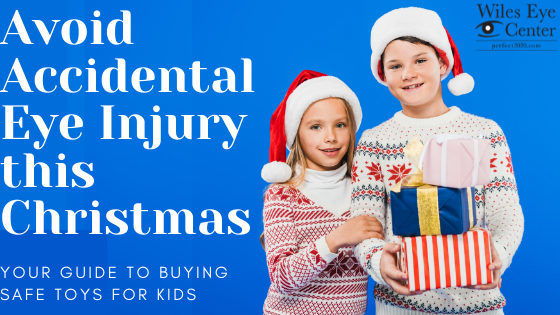
Avoid Accidental Eye Injury This Christmas with this Guide


We have all seen or read the warning signs on children’s toys. Most commonly, the choking hazards and the recommended ages for playing with the specific toy. However, something less commonly acknowledged on these warning labels is the risk of blindness due to eye injuries. 

With the holidays coming up, this type of injury is very common this time of the year. Although these warning labels are often ignored, toys can be harmful to children. In 2016 alone, there were more than 240,000 Emergency Room visits due to injuries caused by toys*. Since December is the most popular month for gift-giving due to the holidays, it is also Toy Safety Month. 

According to the American Academy of Ophthalmology, thousands of children sustain eye injuries and even blindness each year*. Furthermore, nearly 90% of these injuries could have been prevented through the use of protective eyewear*. Due to this increasing number of sustained eye injuries and the unawareness of this issue, it is important for parents, grandparents, and anyone else purchasing toys as a gift to be aware of their abilities in preventing injuries. 

The first way to prevent eye injuries sustained from a toy is to only buy age-appropriate toys. If the label on the toy says not suitable for children under the age of 5, then simply don’t buy it for a child under the recommended age. It is also important to consider younger children when purchasing toys for older kids. 

Be mindful of pieces that may easily break off, or other pieces of the toys that can pose a potential choking hazard. When purchasing toys, look for those marked with “ASTM.” This means that these toys meet the National Safety Standards set forth by the American Society for Testing and Materials*. 

Another way to prevent eye injuries is to make sure that children are always properly supervised while they’re playing. Having an adult present will decrease the chance for accidents involving toys. In addition to proper supervision, it is important to educate children on how to properly use their toys. Before you allow children to use any of their new toys, read the instructions, and warnings, on the box. 

It is also recommended to keep toys put away when they’re not in use. Ideally, potentially hazardous toys should be kept in a spot that children can not get to if they’re not being properly supervised for the specific activity. This can include any board games that may have small pieces. Be sure to inspect toys for loose pieces before allowing children to play with them, and throw away any broken toys to avoid accidental injuries.

The single most common toy that causes eye injuries are those that entail projecting smaller pieces. Toys of this kind include dart guns, toy bows and arrows, and missile-firing toys*. It is important to note that pellet guns, bb guns, and airsoft guns have been reclassified and removed from toy sections due to the hazards they entail. If children will be playing with dart guns or toy bows and arrows, it is important that they wear the proper eye protection. Eye protection should be appropriate for the type of activity that is being performed, and they should meet the national safety standards. You can visit the American Academy of Ophthalmology’s website for more information about these safety standards. 

In addition to preventing eye injuries from toys during the holiday season, it is also important for parents, other family members, caregivers, and anyone else who may be supervising children while playing to be aware of first aid when eye injuries are involved. 

If an eye injury occurs, do not touch, rub, or apply pressure to the eye. Do not try to remove any debris from the eye. If the debris is a small piece, you can lift the eyelid and ask the child to blink rapidly to try and remove the object. If the object does not come out on its own, close the eye and seek help immediately. Avoid applying any ointment or medication to they eye in the event of an injury. Keep in mind, only eye injury that includes hazardous chemicals should be flushed with water. If a cut or puncture of the eye occurs, it should be gently covered before seeking help to avoid any contamination. If an eye injury occurs, it is always a good idea to call your eye doctor for what they recommend for your injury. 

If you have any questions or would like to make an appointment, please call us. The number to our Kansas City location is 816-455-2020. Our St. Joseph’s office location can be reached by calling 816-279-7015.


*Attributions:

https://www.preventblindness.org/safe-toy-checklist

https://www.safekids.org/safetytips/field_risks/toy-safety

https://www.aao.org/eye-health/tips-prevention/injuries-children

https://www.cpsc.gov/s3fs-public/Toy_Report_2016.pdf?6ZwpKyiwsEdVzWXhH0m0doo5cJALIZFW

The post Avoid Accidental Eye Injury This Christmas with this Guide appeared first on .


from https://perfect2020.com/avoid-accidental-eye-injury-this-christmas-with-this-guide/
via https://perfect2020.com

Thursday, November 28, 2019

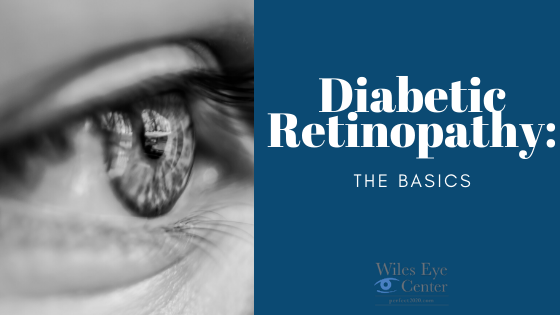
The Basics of Diabetic Retinopathy


With the amount of obesity and diabetic people at an all-time high, it is important to discuss something most people are completely unaware of, and that is vision loss as a result of diabetes. One of the most common eye diseases caused by diabetes is Diabetic Retinopathy. Diabetic Retinopathy is the leading cause of vision loss among working-age Americans. 

With diabetes comes abnormally high blood glucose levels. These high levels of sugar within the blood can cause damage to the blood vessels within the retina of the eye, a tissue within the eye responsible for sensing light, sending nerve impulses to the brain, and forming a visual image of what you’re actually seeing. The damage of these vessels can cause them to swell, leak, or even cause new blood vessels to grow, causing impaired vision. This vision loss can occur in two different stages. 

The first stage of Diabetic Retinopathy is called Non-Proliferative Diabetic Retinopathy (NPDR). Of the estimated 285 million people suffering from diabetic retinopathy, most of them are in the earliest or non-proliferative stage of the disease. Within this stage, blood vessels may have small leaks or even close. This leakage or closing can cause swelling within the eye, affecting vision. Those who are in the first stage of Diabetic Retinopathy suffer from blurry vision. 

The second stage of Diabetic Retinopathy is called Proliferative Diabetic Retinopathy (PDR). In this stage of Diabetic Retinopathy, new blood vessels grow within the eye at an abnormal rate. These vessels can leak or build up over time to cause scar tissue. This leaking can cause “floaters” in the vision, or even block central and peripheral vision altogether. Scar tissue can cause the retina to detach itself from the optic nerve, or it can cause damage to the macula of the eye. Either way, Diabetic Retinopathy is a serious condition, but there are ways to prevent it. 

The most obvious way to prevent Diabetic Retinopathy is by avoiding Diabetes. Although type 2 diabetes is hereditary, you can avoid type 1 diabetes by regular exercise and a healthy diet. Avoiding Diabetic Retinopathy with type 2 Diabetes can be more difficult, but can be avoided by controlling blood sugar levels. Controlling blood sugar levels can be done through medications and a healthy diet. It is important to discuss ways to control and manage blood sugar levels with your doctor. It is also vital for those who have diabetes to receive regular comprehensive eye exams. Similarly to most eye diseases, early detection is key in preserving vision. Annual comprehensive eye exams are recommended, but they may be necessary more frequently if you have underlying conditions such as diabetes. Talk to your optometrist or ophthalmologist about how often you should get your eyes checked, especially if you are having any symptoms of Diabetic Retinopathy. These symptoms include blurry vision, seeing “floaters” or floating dark spots, night blindness, vision changes, and seeing faded colors. 

 If you have any questions or would like to schedule an appointment, please call us. Our Kansas City location can be reached by calling 816-455-2020. You can reach our St. Joseph’s location at 816-279-7015.

The post The Basics of Diabetic Retinopathy appeared first on .


from https://perfect2020.com/the-basics-of-diabetic-retinopathy/
via https://perfect2020.com

Wednesday, November 6, 2019

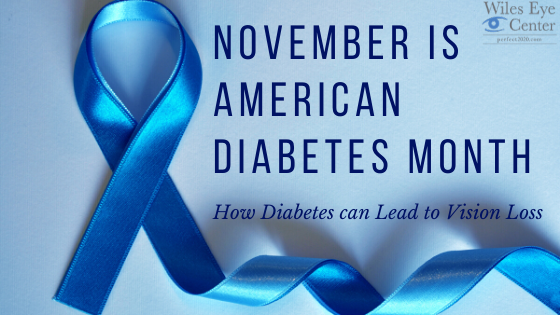
Do you Suffer from Diabetes? Here’s How it can Lead to Vision Loss.


According to the Centers for Disease Control, more than 100 million adults in America are suffering from Diabetes or prediabetes*. This means that nearly 10% of the population suffers from this disease*. Out of these adults suffering from diabetes, 25% of them were unaware that they had diabetes*. Diabetes entails many symptoms, which include frequently urinating, being very hungry or thirsty, extreme fatigue, blurry vision, a slow healing process, abnormal weight loss, and tingling/numbness of the hands and feet*. In addition to many symptoms, diabetes also comes with many complications such as high blood pressure, increased risk of strokes, and nerve damage, but did you know that diabetes affects your vision as well?

Diabetic Eye Disease is a group of diseases that affect the vision of people suffering from Diabetes*. These diseases include Diabetic Retinopathy, Diabetic Macular Edema (DME), Cataracts, and Glaucoma*. Each type of disease comes with its own list of symptoms, risks, and treatment options. One thing all forms of Diabetic Eye Disease has in common is the risk for severe vision loss, and the potential to cause blindness. Because Diabetic Eye Disease is often unnoticed until vision loss occurs, it is recommended for those who suffer from Diabetes to receive a dilated eye exam at least once a year. You should consult your optometrist or ophthalmologist to discuss how often you need an eye exam. The most common form of Diabetic Eye Disease is Diabetic Retinopathy.
Diabetic Retinopathy is the most common cause of vision loss in people with Diabetes, and a leading cause of blindness among working-age adults*. Diabetic Retinopathy is a disease that affects tissues within the Retina that detect light. This is caused by chronically high blood sugar that causes damage to the blood vessels within the eye. Vision impairment can occur through the leaking of these blood vessels or overgrowth of blood vessels. Another common form of Diabetic Eye Disease is Diabetic Macular Edema (DME).

Diabetic Macular Edema (DME) occurs when fluid accumulates within the macula. The macula is responsible for sharp vision straight-ahead vision that is used when reading, recognizing faces, and driving*. DME is the most common cause of vision loss within people who suffer from Diabetic Retinopathy. Nearly 50% of those who suffer from Diabetic Retinopathy will develop DME*. Anyone who suffers from type 1 or type 2 diabetes are at risk for developing Diabetic Retinopathy, including women who suffer from Gestational Diabetes. Gestational Diabetes entails its own risk factors for Diabetic Eye Disease. It is often not caught in its early stages and is rapidly worsening. If you are diagnosed with gestational diabetes, it is always a good idea to have an eye exam, just to be safe.
Both Diabetic Retinopathy and Diabetic Macular Edema can be detected through a comprehensive dilated eye exam. During this exam, the eyes will be checked for signs of Diabetic Retinopathy or DME, such as leaking blood vessels, swelling of the Macula, changes of the lens or blood vessels, and damage to nerve tissue. Treatment for these conditions can include injections and/or laser surgery.

As for diet, there are foods that can help regulate blood sugar levels. These foods include berries, whole grains with a lot of fiber (such as oatmeal), avocado, cottage cheese, eggs, lean meats, and a variety of vegetables. By adding some of these foods to your diet, you can help control blood sugar and decrease the risk of complications that arise with diabetes. Another great way to control blood sugar levels is by choosing complex carbohydrates such as fruits, beans, lentils, and quinoa. Eating healthy snacks rich in fiber during the day can help control hunger and cravings. In addition to choosing healthier carbohydrates, you should offset the number of carbohydrates you’re eating by adding a lot of fresh, non-starchy vegetables, lean protein, and healthy fats. In addition to a healthy diet, daily exercise can help decrease the risk for Diabetic Eye Disease. Daily exercise can help prevent obesity, and reduce the risk of diabetes.

By controlling blood sugar, maintaining a healthy diet, and regular exercise, you will be able to help control your diabetes or prevent diabetes altogether. By controlling and preventing diabetes, you are protecting yourself from Diabetic Eye Disease. If you have any questions or would like to schedule an appointment, please call us. Our Kansas City location can be reached by calling 816-455-2020. You can reach our St. Joseph’s location at 816-279-7015.

*Attributions:
https://nei.nih.gov/health/diabetic/retinopathy
http://www.diabetes.org/diabetes-basics/symptoms/?loc=adm
https://www.cdc.gov/media/releases/2017/p0718-diabetes-report.html

The post Do you Suffer from Diabetes? Here’s How it can Lead to Vision Loss. appeared first on .


from https://perfect2020.com/do-you-suffer-from-diabetes-heres-how-it-can-lead-to-vision-loss/
via https://perfect2020.com

Thursday, October 3, 2019

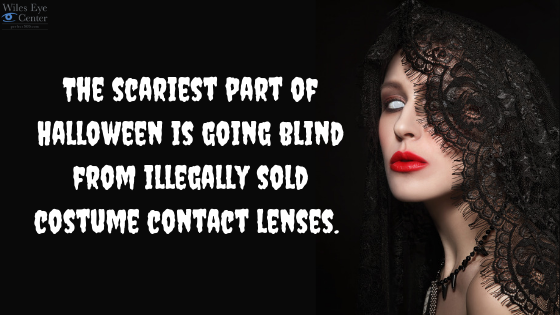
Do You Think Costumes and Horror Films are the Scariest Things About Halloween? Think Again.


Halloween is a fun time of the year for children and young adults. They enjoy dressing up and going out for candy, but what is the scariest part of Halloween? Well, the answer is possibly going blind due to wearing cosmetic contact lenses. The reality is, not many people are aware of the risk that these “cheap” Halloween contacts entail. Sadly, these lenses are often sold illegally and are marketed to children and young adults as toys or fashion accessories.
Cosmetic contact lenses – otherwise known as circle lenses, colored contact lenses, and Halloween contacts – are not FDA approved. While they may make your eyes look a different color, like a vampire, or your favorite movie character, they should only be worn if you have seen an ophthalmologist/optometrist and have received a prescription. Contacts are not “one size fits all.” People have different eye shapes and unique conditions that may require specific contacts. Even if you have perfect vision, you should never buy contacts without a prescription just because they’re cheap. These costume lenses may cost less money, but they may cost you your eyesight.
A recent study shows that wearing these cosmetic contact lenses increases your risk for Keratitis – an infection that can cause blindness by 16 times or more*. The shocking part is that more than 60% of patients who developed Keratitis from these lenses, suffered permanent vision loss*. Keratitis is not the only risk that comes with cosmetic contact lenses. According to the American Academy of Ophthalmology, these lenses can scratch the eye, causing redness, light sensitivity, discharge, and pain. This scratching occurs due to sizing issues with the contacts. Another way these costume contacts can be harmful is by causing sores on the eyes, known as corneal ulcers*. When these sores heal, scarring can be left behind, which can permanently affect your vision. These cosmetic contact lenses may lead to many different types of infections, including herpes simplex*.
Treatment for these various issues that can arise as a result of wearing costume lenses can range anywhere from medicated eye drops to a corneal transplant*. It is unclear just how many injuries occur each year from wearing these lenses, but a recent study shows that more than 13,500 pediatric cases appear in the Emergency Room each year as a result of cosmetic lenses*. Although there have been no studies conducted to determine the number of injuries these lenses are responsible for, we do know that 17% of Americans have worn these lenses for decorative reasons alone, meaning they did not provide any vision correction. Of these people, 24% of them bought the lenses from an over-the-counter source that did not require a prescription*.
If you are thinking of getting cosmetic contact lenses for any reason, you should first consult your eye care professional. If you have never worn lenses before, they will examine your eyes to determine whether or not you are even a good candidate for contact lenses. Your eyes will then be examined to determine the proper size and fitting lenses that you need. During this exam and follow-up appointments, your ophthalmologist or optometrist will educate you on the proper care for your new lenses, including cleaning them and the duration they can be worn. When seeking cosmetic lenses, do not expect to be prescribed circle lenses, or any other lense that changes the appearance of the shape of your eye because they are not FDA approved*.
According to the Food and Drug Administration, you can protect your vision by receiving an eye exam for contacts before buying contacts. You can also protect your vision by only buying lenses from sources that require a prescription, online and in person. Of course you will want to follow the instructions from your eye care professional on cleaning and handling your lenses. Lastly, it is vital that you seek medical help if you begin to show any warning signs of infection or injury such as redness, long-lasting pain, and vision loss.
If you encounter these costume contact lenses being sold illegally, there are some ways that you can help. If you discover these lenses being sold illegally, you can report the retailer to the FDA. To do this, you may call 1-866-300-4374 or 301-796-8240 to report the retailer as quickly as possible. If you have any questions, or would like to make an appointment, please call us. The number to our Kansas City location is 816-455-2020. Our St. Joseph office location can be reached by calling 816-279-7015.

*Sources: https://www.aao.org/eye-health/glasses-contacts/colored-lenses
https://www.aao.org/eye-health/glasses-contacts/colored-lenses
https://www.fda.gov/forconsumers/consumerupdate/ucm402704.htm
https://www.aao.org/eye-health/news/four-ways-costume-contact-lenses-ruin-vision
http://www.aoa.org/newsroom/dont-buy-contact-lenses-from-any-store-or-website-if-it-doesnt-require-a-prescription?sso=y

The post Do You Think Costumes and Horror Films are the Scariest Things About Halloween? Think Again. appeared first on .


from https://perfect2020.com/do-you-think-costumes-and-horror-films-are-the-scariest-things-about-halloween-think-again/
via https://perfect2020.com