Thursday, September 15, 2022

What to Do When Glaucoma Eye Drops Don’t Work to Lower Eye Pressure

Glaucoma Care in Kansas City

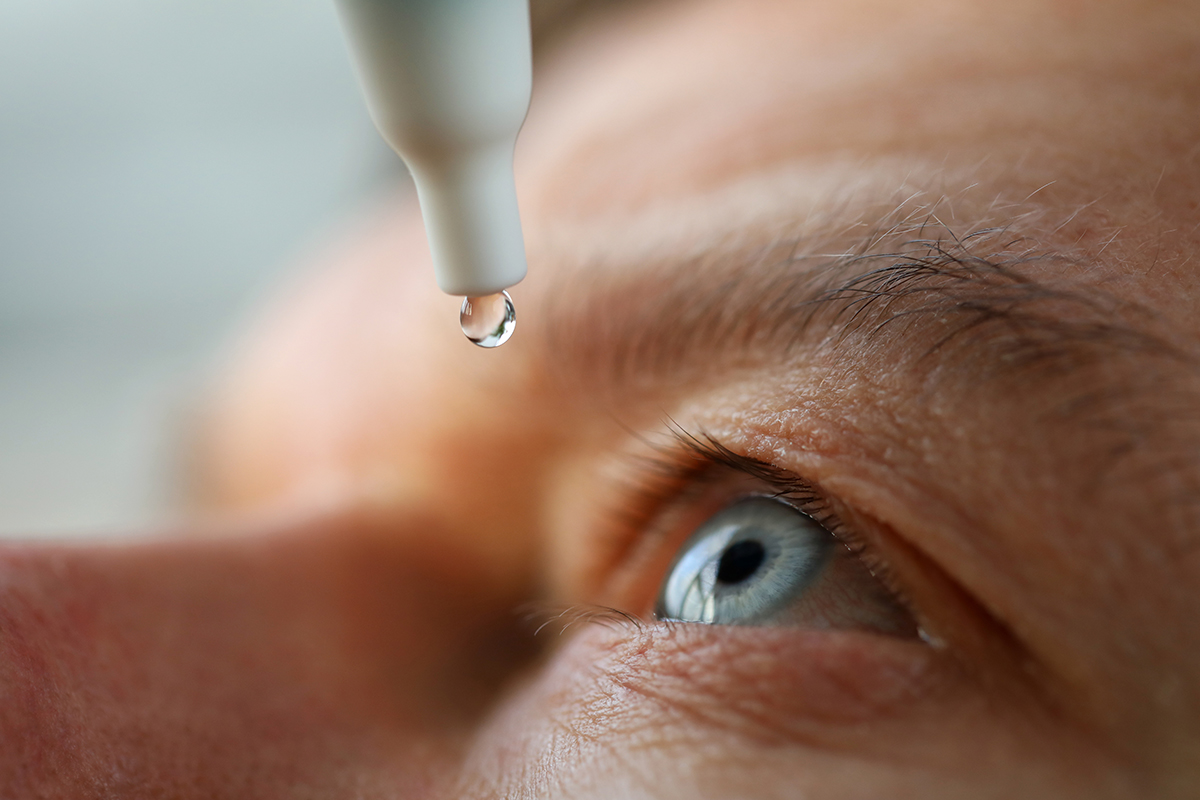
The primary goal of early glaucoma treatment is to prevent the disease from progressing and causing vision loss. Eye drops have been the first-line treatment for glaucoma since the 1990s, and prostaglandin is the most common eye drop medication. However, newer eye drop drugs are FDA-approved to lower intraocular pressure for glaucoma treatment. Unfortunately, these eye drops can fail to control glaucoma progression, and you may need advanced techniques or laser surgery to slow the disease.

Our ophthalmologists at Wiles Eye Center in Kansas City offer comprehensive glaucoma treatment customized to your needs. Some patients who respond well to eye drops may not tolerate the medication’s side effects or find them inconvenient, in which case other treatments are a better fit.

Selective Laser Trabeculoplasty for Glaucoma Control 

Some ophthalmologists use selective laser trabeculoplasty (SLT) as a first-line treatment for glaucoma patients because it can provide meaningful improvement without the worry of remembering to use eye drops several times a day. This laser procedure is used for open-angle glaucoma. SLT uses low-level light from laser technology to increase fluid drainage in the natural drainage pathway between the iris and the white covering on the eye’s surface (sclera).

SLT is an attractive option for patients resistant to eye drops because a single laser procedure can effectively lower eye pressure for up to three years or longer. Some patients may still need glaucoma medications, while others enjoy lasting relief without secondary treatment. This glaucoma laser treatment does not damage the drainage canal in the eyes and can be repeated if the initial procedure doesn’t lower eye pressure.

SLT is performed on an outpatient basis, so you can go home to rest afterward. Our eye surgeon will administer special numbing eye drops to the eye’s surface and use a gel contact lens on the eye to focus the laser energy onto the drainage canals. Patients may see flashes of bright light, hear clicks and experience a tingling sensation during the procedure. However, most patients report little to no pain during SLT, which takes around five to 10 minutes.

Determining the Best Glaucoma Treatment Plan for Your Vision 

It’s common for medications such as eye drops to lose effectiveness over time. Some patients need more potent doses or different types of eye drops. Our eye doctors will examine your ocular health and create a treatment plan to manage intraocular pressure and slow glaucoma progression. It often takes a combination approach to see the best results.

If you’re struggling with eye drops for glaucoma management, contact Wiles Eye Center to schedule a comprehensive eye exam and discuss your treatment options. Call our Kansas City, Missouri, office at (816) 455-2020 or our St. Joseph, Missouri office at (816) 279-7015, or fill out our online contact form.

The post What to Do When Glaucoma Eye Drops Don’t Work to Lower Eye Pressure appeared first on .


from https://perfect2020.com/what-to-do-when-glaucoma-eye-drops-dont-work-to-lower-eye-pressure/
via https://perfect2020.com/

Thursday, September 1, 2022

How Do Cataracts Develop? The Gradual Clouding of Vision

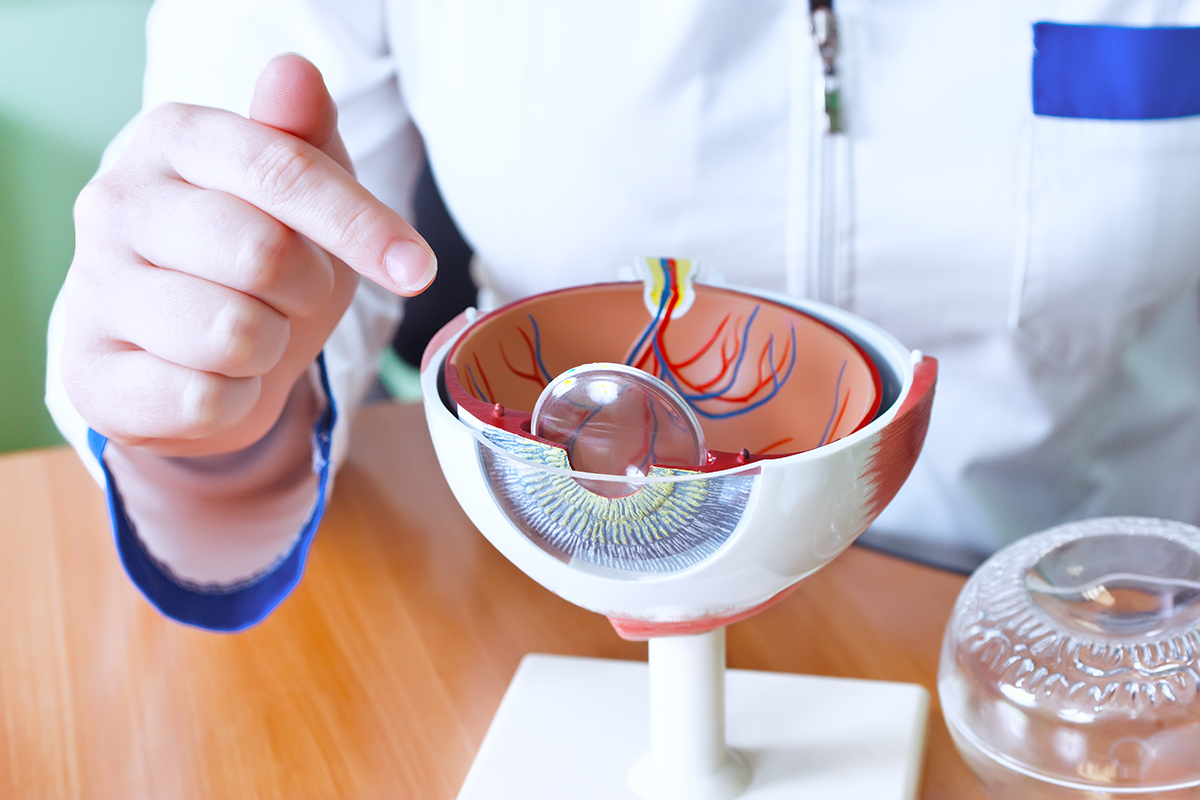
The natural lens of your eye sits behind the iris (pigmented center) and in front of the vitreous fluid that fills the eye. This clear, curved disk works like a camera lens helping to focus light onto the retina for clear, crisp vision. As you age, the proteins inside the eye’s lens break down and clump together, creating a cloudy effect and forming a cataract. Our Kansas City eye doctors can restore clear vision with cataract surgery at Wiles Eye Center.

Cataracts Form Gradually 

It can take years for a cataract to progress and cause vision loss. Our ophthalmologists may diagnose early cataracts during a comprehensive eye exam, but you may not need treatment for quite some time. Some patients choose to have cataract surgery early to stop the clouded lens from progressing and affecting their quality of life.

You may not notice initial symptoms of cataracts until your eyesight changes, such as:

  • Double images when you look at an object like a stop sign
  • Halos around lights
  • Increased light sensitivity, especially at night
  • Trouble seeing clearly at night
  • Muted colors or a yellowish tint in your vision
  • Blurred vision

People with diabetes may have cataracts that progress quicker than others, but this eye disease often takes many years to affect vision and require surgery. Our eye doctors can monitor the maturing cataract and recommend the best time for treatment.

Most People Will Have a Cataract in Later Years 

According to the American Academy of Ophthalmology (AAO), half of Americans will develop a cataract by age 75. A cataract is one of the most common eye diseases. Luckily, cataract surgery is one of the most successful eye procedures. Cataract surgery has a 98 percent success rate, according to the American Foundation for the Blind. People who need cataract surgery are often Medicare patients, and a study of 200,000 Medicare beneficiaries reported that 99.5 percent of cataract patients did not have significant post-surgical complications.

What is Cataract Surgery? 

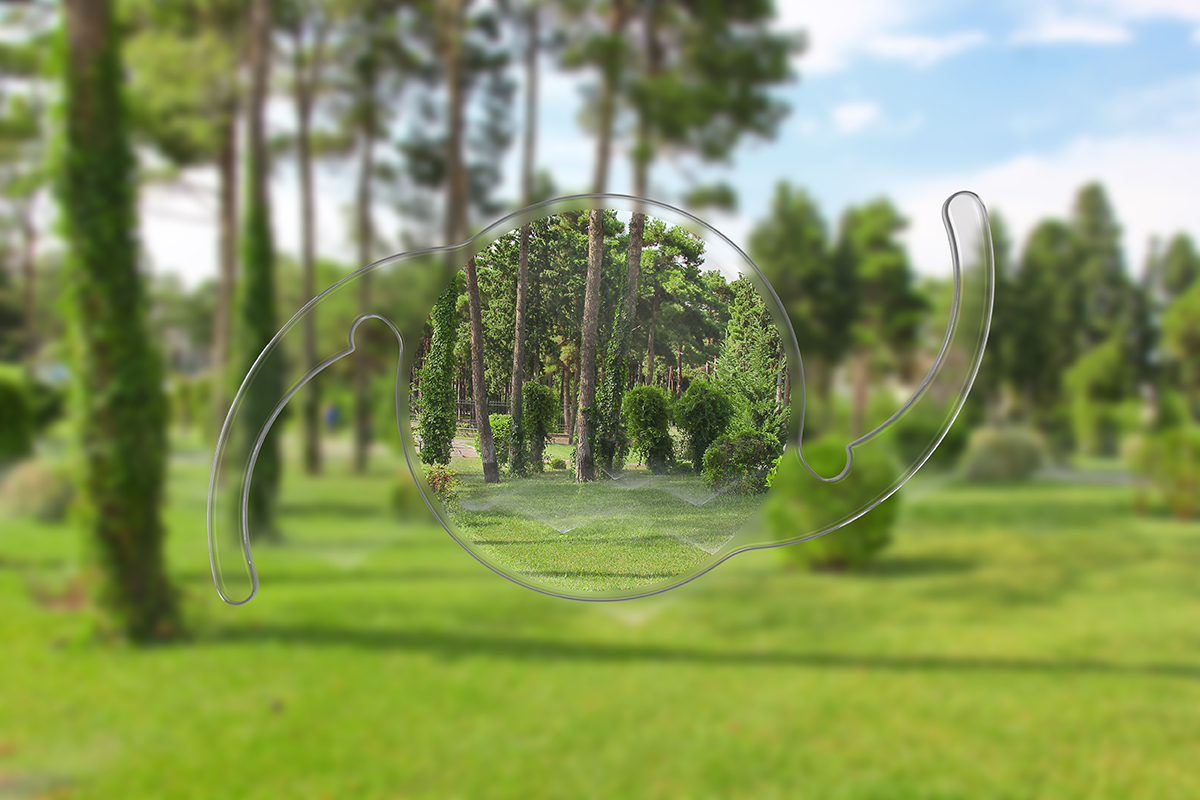
The American Society of Cataract and Refractive Surgery reports that 3 million people have cataract surgery annually. This straightforward eye surgery removes the clouded natural lens and replaces it with an intraocular lens implant (IOL). These IOLs can correct your vision for one or multiple focal points, depending on your vision goals. Wiles Eye Center offers advanced IOLs to free you from prescription glasses and contact lenses and restore a clear field of vision.

Schedule a comprehensive eye exam at Wiles Eye Center in Kansas City, Missouri, at (816) 455-2020 or in St. Joseph, Missouri, by calling (816) 279-7015; or, use our online form to make an appointment.

The post How Do Cataracts Develop? The Gradual Clouding of Vision appeared first on .


from https://perfect2020.com/how-do-cataracts-develop-the-gradual-clouding-of-vision/
via https://perfect2020.com

Tuesday, August 16, 2022

How Presbyopia Causes Near Vision Loss and What You Can Do About It

Presbyopia Treatment in Kansas City, MO

Many people find that they need reading glasses starting around age 40. Our eye doctors in Kansas City, Missouri, offer treatments for presbyopia so you can enjoy good vision without the burden of readers or special contact lenses.

What is Presbyopia?

Good vision relies on many parts of the eye but starts with the cornea and lens. Together, these components refract light onto the retina at the back of the eye, which relays the message to the brain through the optic nerve. The dome-shaped, transparent cornea allows light to enter the eye, and the lens sits behind the pigmented iris and adjusts with the incoming light. The lens is why your pupils are large in dim environments and small on bright sunny days.

The natural eye lens is soft and flexible, allowing it to quickly change shape to view objects far away or close up, such as a menu or text message. As you get older, the lens gradually loses the ability to accommodate for nearby objects and hardens. The loss of crisp near vision that results is called presbyopia and is a natural part of aging. There’s no way to stop or reverse presbyopia, but contact lenses, eyeglasses and eye surgery can correct your near vision and stop related eye strain and headaches.

Treatments for Presbyopia

Our board-certified eye doctors offer many solutions for presbyopia, including refractive lens exchange, corneal inlays and reading glasses or contact lenses. If you only have presbyopia, readers (reading glasses) may work well for you, but people with nearsightedness, farsightedness or astigmatism may wish to eliminate the need for corrective eyewear.

Refractive Lens Exchange

Refractive lens exchange is performed the same as cataract surgery; the only difference is that the removed eye lens is clear and not cloudy from a cataract. Our skilled eye doctors remove the aging, rigid lens and replace it with an intraocular lens (IOL) implant that corrects for near, intermediate and distance vision. Wiles Eye Center offers Crystalens HD, Tecnis Multifocal and ReSTOR Multifocal IOLs for presbyopia correction and other refractive errors. We will recommend the IOL that’s most suitable for your needs because each IOL has unique features.

Corneal Inlays

Corneal inlays can allow you to rid yourself of contact lenses and glasses for presbyopia and are removable if you’re unhappy with the results. Tiny plastic rings are placed in the cornea of one eye. The inlays have small central openings like a pinhole camera to focus light entering the eye for better vision.

If you struggle with presbyopia, schedule an eye exam at Wiles Eye Center to see if one of these treatments is right for you. Contact our Kansas City, Missouri office at (816) 455-2020 or our St. Joseph, Missouri office at (816) 279-7015.

The post How Presbyopia Causes Near Vision Loss and What You Can Do About It appeared first on .


from https://perfect2020.com/how-presbyopia-causes-near-vision-loss-and-what-you-can-do-about-it/
via https://perfect2020.com

Monday, August 1, 2022

Celebrate Children’s Eye Health and Safety Month with an Eye Exam

Eye Exams for Children in Kansas City, MO

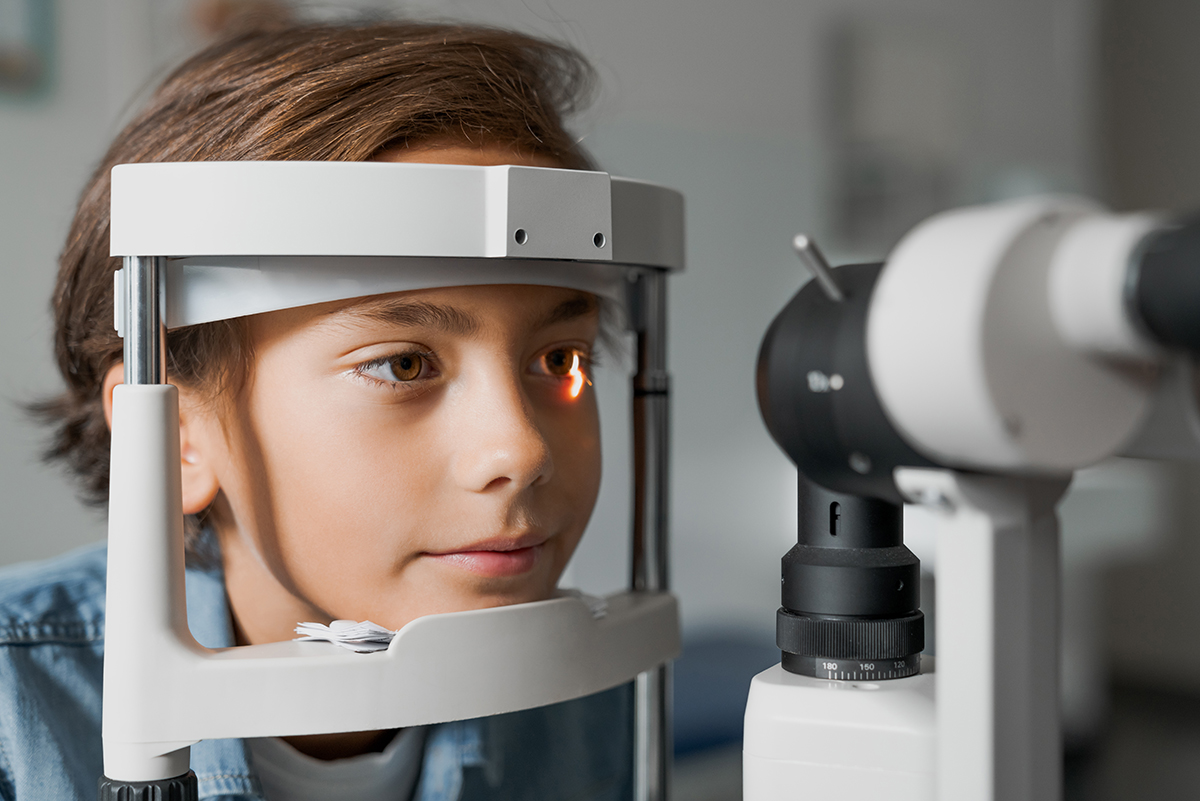
August is Children’s Eye Health and Safety Month, and our eye doctors at Wiles Eye Center want parents to understand the warning signs of eye problems and when to bring their kids in for an eye exam.

Why Children Need Eye Exams

August is typically the month when kids are funneling back into the classroom or preparing to return to school. Eye exams are a critical part of this time of year as vision problems can affect your child’s learning and development. Children constantly learn with their eyes, and the first years in school are spent learning to read — a wholly visual task. Regular eye exams can ensure good vision and eye health and avoid learning disabilities. Some parents are surprised to learn that their kid doesn’t have a learning issue but rather a vision issue. Annual eye exams with one of our Kansas City or St. Joseph eye doctors are the best way to help children stay on track and view the world in sharp clarity.

Warning Signs of Eye Problems in Children

Sometimes, blurry vision and other eye concerns are easy to spot in kids, but some warning signs may not be so obvious. If your child shows these symptoms, consider an eye exam:

  • Misaligned eyes
  • Red or watery eyes
  • Red, swollen or crusted eyelids
  • Rubbing the eyes constantly
  • Covering or closing one eye to see
  • Tilting the head to watch TV
  • Holding a book far away from or close to the face
  • Excessive blinking
  • Squinting or frowning to see
  • Behavioral changes after close-up tasks or reading
  • A disinterest or loss of interest in reading or viewing items at a distance

Older children may complain of burning or itching eyes and say that something is scratching their eyes. Head pain, dizziness, nausea and stomach pain may happen after extended time doing close-up work. Our eye doctors can diagnose eye problems and refractive errors, such as nearsightedness or farsightedness, during an eye exam.

Children’s Eye Health and Screens

School work often requires hours in front of a screen, especially during remote classes. Many children experience eye strain after extended screen use, but there are ways to decrease that discomfort. Encourage your children and the rest of the family to give their eyes a break every 20 minutes by looking 20 feet away for 20 seconds (called the 20/20/20 rule). Reducing glare from screens and adjusting the contrast and brightness controls can minimize eye strain.

These extended hours on the screen and late nights studying can affect teenagers who wear contact lenses. Wearing prescription eyeglasses instead can give the cornea a break and prevent kids from falling asleep wearing contact lenses. Poor contact lens care can cause corneal ulcers, blurry vision and eye infections.

Schedule an eye exam for your child at Wiles Eye Center today. Contact our St. Joseph, Missouri office at (816) 279-7015 or our Kansas City, Missouri office at (816) 455-2020.

The post Celebrate Children’s Eye Health and Safety Month with an Eye Exam appeared first on .


from https://perfect2020.com/celebrate-childrens-eye-health-and-safety-month-with-an-eye-exam/
via https://perfect2020.com

Wednesday, July 20, 2022

Summer Eye Care Tips to Lower Your Risk of Eye Diseases

Eye Care in Kansas City, MO

Your days in the sun can affect your eyes and the rest of your body. Protecting your vision and ocular health can reduce your risk of certain eye diseases and conditions as you age, including cataracts and eye cancers. Our eye doctors in Kansas City and St. Joseph hope you enjoy a fun summer. Remember to take care of your eyes using these tips, and schedule annual eye exams to diagnose and treat vision problems early.

1. Sunglasses with “100% UV Protection” for the Whole Family

Babies, children and adults of all ages need to protect their eyes outdoors, including on hazy or cloudy days. UV-protective sunglasses are an essential part of eye care for the whole family, and they should wear these frames year-round. Wrap-around sunglasses are best because they cover your entire visual field, and wide-brimmed hats can help reduce UV exposure.

It can take decades for UV rays to harm your eyes, but you increase your risk of cataracts and eye cancers each time you forget your sunglasses at home. Harmful UV rays can cause “sunburn of the eye” or photokeratitis. This condition happens when UV exposure burns the eye’s surface, leading to temporary vision loss, redness, blurry vision and eye pain. Sunlight that reflects off of water, sand, ice and snow can cause photokeratitis and snow blindness (a form of photokeratitis). Surfers, skiers, farmers and other people who spend a lot of time in the sun can develop pterygium, a yellowish growth on the eye. Sunglasses can prevent these eye complications.

2. Don’t Wear Contacts While Swimming, and Use Goggles

Whether you’re swimming in a chlorine or saline swimming pool or a body of open water, bacteria and microorganisms will be with you. People who wear contact lenses should take them out before swimming because these irritants can get underneath the lens and may lead to infection.

“Swimmer’s Eye” is another concern for people who spend much of their summer in the pool. Chemicals such as chlorine can alter the natural tear film and lead to temporary blurred vision, red eyes and a gritty feeling in the eyes — swim goggles and washing the eyes with fresh water can improve symptoms. Goggles also reduce the risk of contamination from bacteria in the water.

3. Protect Your Eyes from Dryness and Injury

The summer heat and dry environment may also affect the tear film and cause dry eye symptoms. Over-the-counter eye drops or artificial tears can help keep the eyes moisturized and refreshed. Wear protective eyewear that wraps around your eyes if you’re doing yard work or home improvement projects this summer. Mowing the lawn and trimming weeds can lead to eye injuries, as can construction work. More than half of all eye injuries take place in the home, but many can be prevented with proper eye care and protective eyewear.

Schedule an eye exam with our board-certified eye doctors at Wiles Eye Center by contacting our Kansas City, Missouri office at (816) 455-2020 or our St. Joseph, Missouri office at (816) 279-7015.

The post Summer Eye Care Tips to Lower Your Risk of Eye Diseases appeared first on .


from https://perfect2020.com/summer-eye-care-tips-to-lower-your-risk-of-eye-diseases/
via https://perfect2020.com

Saturday, July 2, 2022

Why Cataract Patients Choose Advanced IOL Lens Implants

Cataract Lens Implants – Advanced IOLs - Kansas City

Cataract surgery restores clear vision by removing the clouded natural eye lens (cataract) and replacing it with an artificial lens implant. More and more patients are choosing premium intraocular lens implants (IOLs) that go beyond the capabilities of the traditional option. Our eye surgeons at Wiles Eye Center in St. Joseph and Kansas City will discuss the benefits of these advanced IOLs during your eye exam.

The Benefits of Advanced IOLs for Cataract Surgery

The traditional lens implant is a monofocal IOL adjusted to one focal point. Most people choose to correct their vision for distance and still rely on glasses or contact lenses for near and intermediate zones. Monofocal IOLs can improve one aspect of your vision, but advanced IOLs can eliminate your need for corrective eyewear. The most significant benefit of premium lens implants is freedom from prescription lenses.

These IOLS are laser-fitted to your eye and address a range of refractive errors, including nearsightedness (myopia), farsightedness (hyperopia), astigmatism and presbyopia. You can drive, read, watch TV and have fun with friends and family with crisp vision at all focal points.

Advanced IOLs allow you to live your life and enjoy sports and activities without the burden of glasses or contacts. People with active lifestyles often choose premium IOLs for sharper vision. Intraocular lens implants are designed to last a lifetime, giving you visual freedom for the rest of your days. They are an excellent way to customize your cataract surgery for sharper eyesight.

Types of Advanced IOLs

Artificial lens implants fit into several categories, including:

  • Monofocal IOLs: These are the traditional IOLs that provide the best possible eyesight at one focal point, typically distance.
  • Multifocal IOLs: Multifocal lens implants have corrective zones built into the implant, similar to the lenses in a pair of bifocal glasses. These IOLs improve near and distance vision, though some can also address the intermediate zone.
  • Extended Depth of Focus IOLs: EDOF lens implants use one corrective zone designed to stretch all three focal points, allowing sharp eyesight for nearby, intermediate and distant objects.
  • Accommodating IOLs: These IOLs also correct refractive errors at all distances but harness the natural movements of your eye’s muscles, changing focus like your natural lens (or the lens of a camera).
  • Trifocal IOLs: PanOptix IOL is the only FDA-approved trifocal lens implant. It is proven to address myopia, hyperopia, astigmatism and presbyopia (age-related near vision loss) with fewer visual disturbances than other options. PanOptix is less likely to cause halos and glare around lights than other IOL types and can eliminate the need for readers on top of prescription lenses.
  • Toric IOLs: Toric versions of the above IOL types are available to correct for astigmatism.

Wiles Eye Center offers Tecnis Symfony, ReSTOR Multifocal, Vivity IOL, Crystalens HD and PanOptix Trifocal lens implants.

Contact Wiles Eye Center to schedule your eye exam and consultation if you’re interested in advanced IOLs for your cataract surgery. Our board-certified ophthalmologists are located in St. Joseph and Kansas City, Missouri.

The post Why Cataract Patients Choose Advanced IOL Lens Implants appeared first on .


from https://perfect2020.com/why-cataract-patients-choose-advanced-iol-lens-implants/
via https://perfect2020.com

Friday, June 17, 2022

Can Diabetic Eye Disease be Reversed? No, but it Can Be Slowed.

Diabetic Retinopathy Treatment Kansas City, MO

Diabetes can damage your eye health and your overall well-being. Diabetic eye disease often leads to vision loss and may cause blindness without treatment. Early diagnosis of diabetic retinopathy is crucial to saving your eyesight because treatments cannot reverse vision loss that has already occurred. However, the disease can be slowed or halted with better diabetes management and treatments with a board-certified ophthalmologist, such as one of our eye doctors at Wiles Eye Center.

How Does Diabetes Damage Vision?

Diabetes affects your eyesight both short term and over the long term. Short-term fluctuations in your blood sugar (glucose) levels can cause vision changes such as blurry vision but typically stabilize with improved diabetes management. Long-term uncontrolled diabetes leads to diabetic retinopathy.

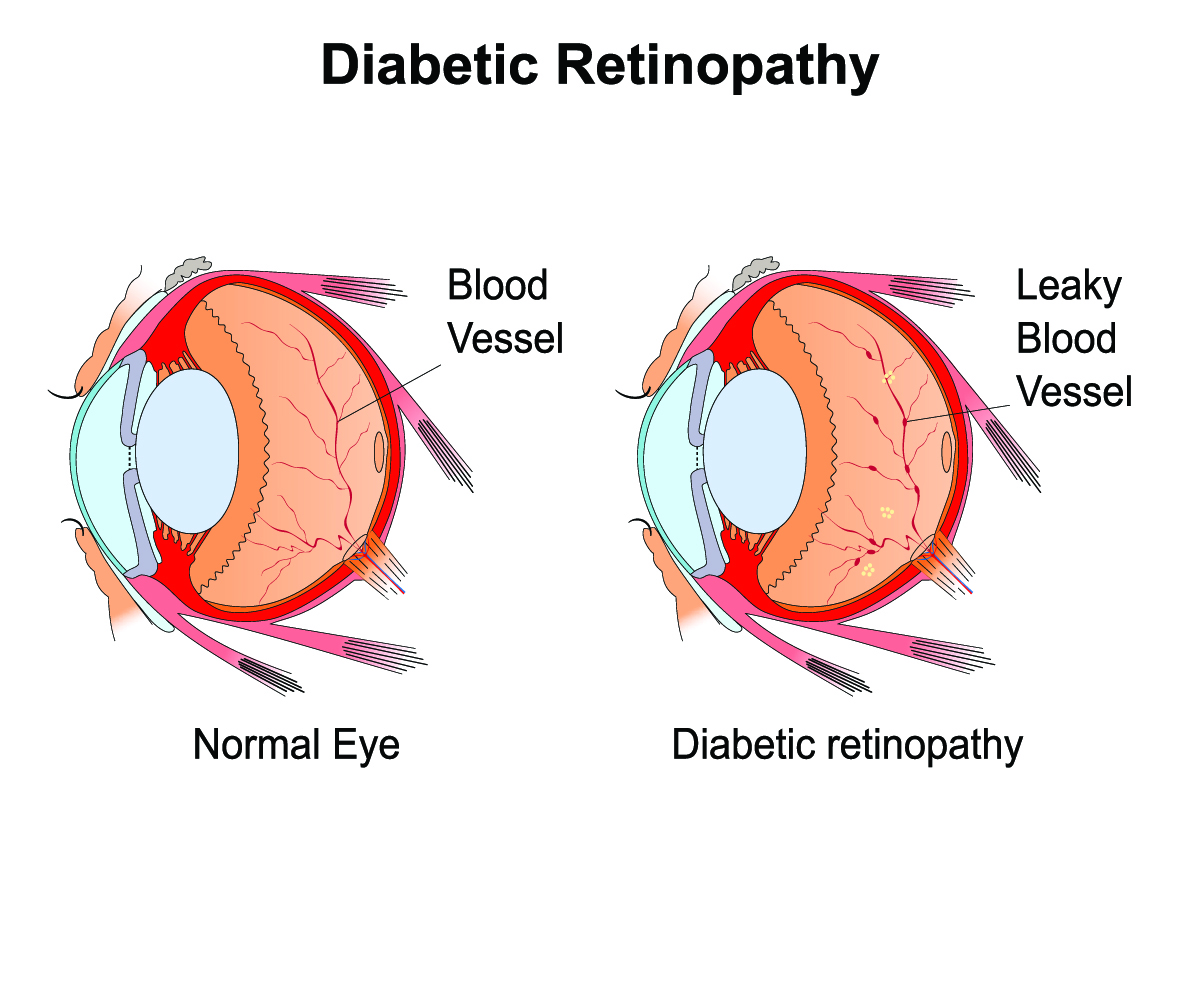
The abnormally high glucose levels in your body damage your blood vessels, including the tiny ones found in the retinas that line the back of your eyes. These small blood vessels leak fluid and blood, damaging the retina through swelling and scarring. These are the early non-proliferative stages of diabetic retinopathy. Proliferative diabetic retinopathy occurs when new abnormal blood vessels form due to poor circulation in the retina and lead to more swelling, bleeding and scar tissue. As additional scar tissue develops, it can tug on the retina, pulling it away from the back of the eye. That is called retinal detachment and constitutes an emergency.

If diabetic retinopathy goes undiagnosed and untreated, it will cause blindness. The longer you have diabetes, the more likely you will experience vision loss.

Can Diabetic Retinopathy be Treated?

There are several effective treatments to prevent, delay and reduce vision loss from diabetic retinopathy. However, there is no cure for this eye disease. Early diagnosis and treatment lead to better outcomes for patients. Typically, treatment is needed if your peripheral vision is harmed, new blood vessels have appeared or your macula is damaged.

Treatments for Diabetic Retinopathy

Treatments for diabetic retinopathy include:

  • Laser photocoagulation:Laser treatment can work well if the retina is not severely damaged. Severe cases of proliferative diabetic retinopathy may need pan-retinal or scatter photocoagulation to limit blood vessel growth.
  • Vitrectomy:A vitrectomy removes some of the vitreous gel in the eye to improve your vision and is often used to treat retinal detachment or early-stage, non-proliferative retinopathy. Vitrectomy may treat severe scar tissue from diabetic eye disease.
  • Anti-VEGF Medicine:Vascular endothelial growth factors (VEGF) cause new abnormal blood vessel growth. Anti-VEGF injections, steroids and medications may slow the formation of weak blood vessels.

Diabetic retinopathy requires ongoing treatment as the condition worsens. However, diabetic eye disease doesn’t have to cause blindness. Proper diabetes management, regular eye exams and early diagnosis and treatment are crucial to preserving your vision.

If you have diabetes, schedule an eye exam at Wiles Eye Center in St. Joseph and Kansas City, Missouri. Our board-certified ophthalmologists will look for signs of diabetic eye disease during your appointment.

The post Can Diabetic Eye Disease be Reversed? No, but it Can Be Slowed. appeared first on .


from https://perfect2020.com/can-diabetic-eye-disease-be-reversed-no-but-it-can-be-slowed/
via https://perfect2020.com